
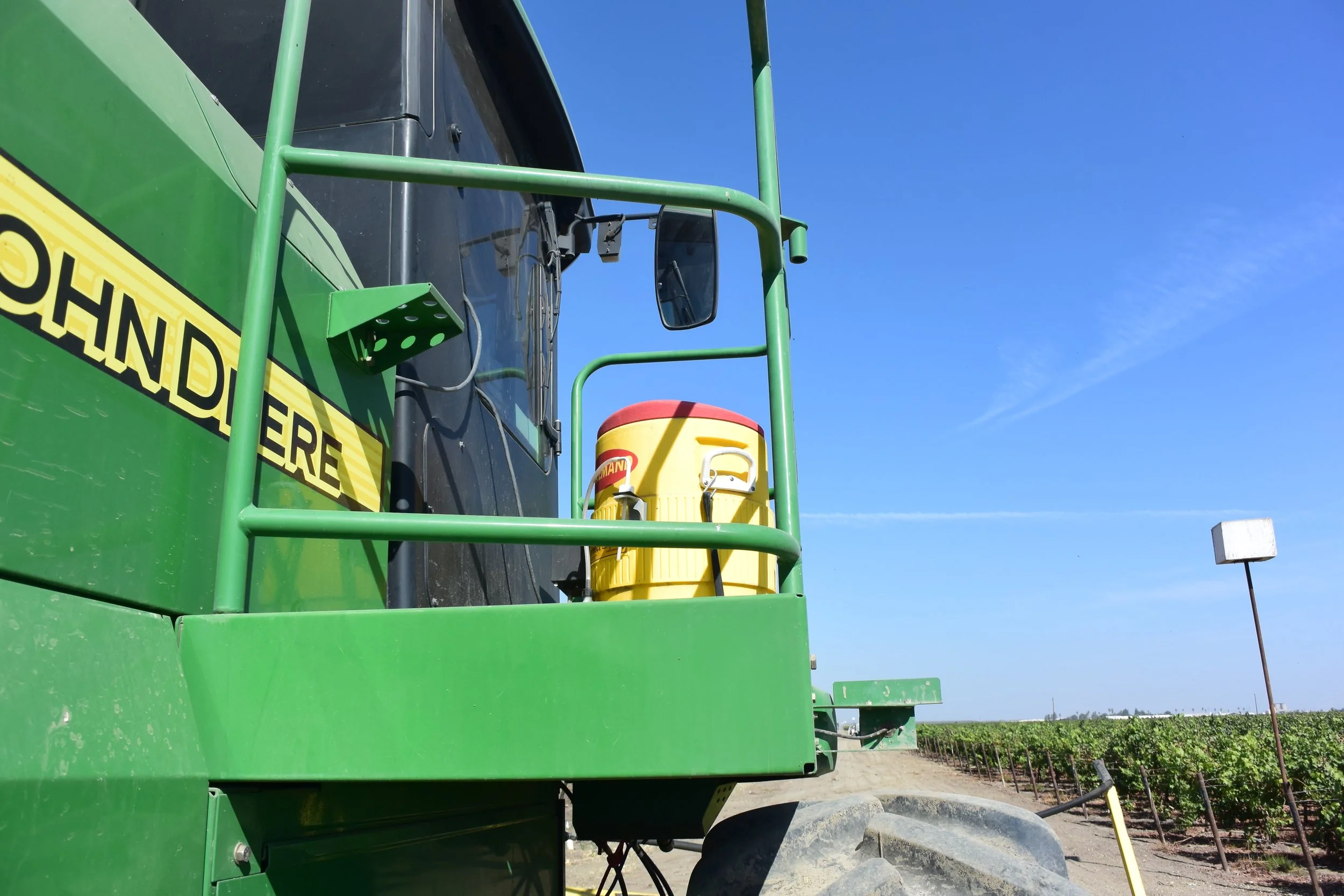
How to Prepare a Dohrman Inoculant Applicator for Corn Silage Harvest
Getting your Dohrman inoculant applicator ready ahead of silage harvest ensures that your investment in MAGNIVA inoculants pays off. Here's a step-by-step guide to make sure everything is working properly so you can get the most from every ton of forage.
✅ Step 1: Clean and Inspect
Before the season starts, thoroughly clean out the tank, lines, and nozzles with clean water. Check for cracks, clogs, or dry rot in hoses. Make sure the pump is working properly and all fittings are tight. Replace worn parts now—don't wait until the chopper is rolling.
✅ Step 2: Calibrate the System
Fill the tank with clean water and calibrate the system to ensure the applicator is delivering the correct rate of inoculant. For corn silage, the recommended application rate is 2 to 2.5 gallons per hour of chopper run time. Use a stopwatch and a graduated container to confirm the rate over one minute of flow.
✅ Step 3: Choose the Right Nozzle
For corn silage, use #15 or #20 TeeJet nozzles depending on chopper speed and water pressure. These nozzles provide the correct droplet size for effective coverage without waste. Always place the nozzle where it will spray directly onto the crop stream for best coverage—aim for even distribution.
✅ Step 4: Mix Inoculant Properly
Once you're ready to run inoculant, follow label directions carefully. Mix only what you will use that day. Use clean water (ideally non-chlorinated) and stir thoroughly until the inoculant is fully dissolved. Keep the tank shaded and cool during operation.
✅ Step 5: Keep It Flowing
Double-check that the lines are primed and product is reaching the nozzle. If your applicator has a flow meter, keep an eye on it throughout the day. It’s smart to recheck flow rate once or twice daily, especially if you’re covering lots of acres.
✅ End-of-Day Maintenance
Flush the system with clean water at the end of each day to prevent buildup and clogs. If harvest is delayed, store the applicator clean and dry.
A well-prepared applicator is your first step to better fermentation and more profitable feed. When you apply inoculant correctly with a clean, calibrated system, you get the most benefit from every treated ton. Questions? We're always here to help.
—Bringing new science to the farmer.
2/2